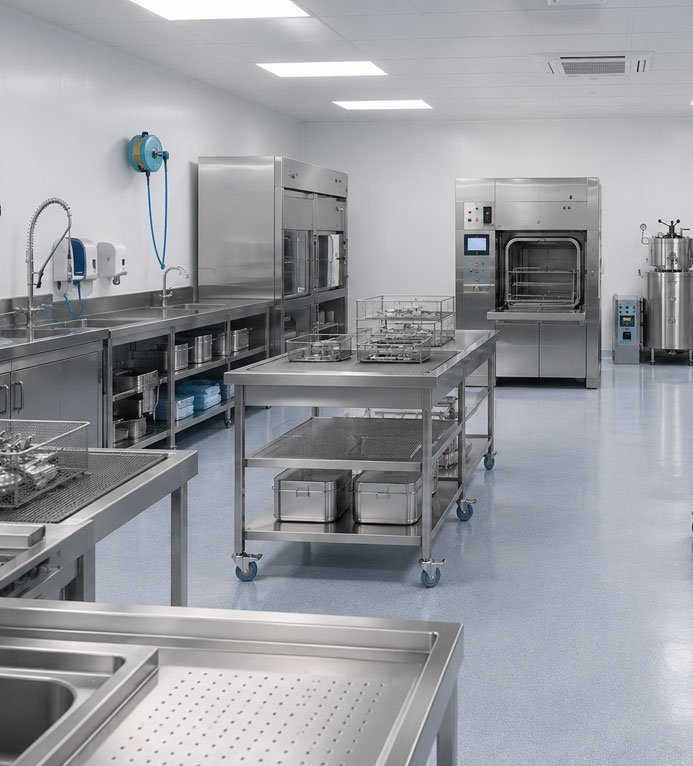
Why More Hospitals Are Upgrading Their CSSD Today
Healthcare has changed. Surgical volumes are increasing, compliance expectations are rising, patient awareness is higher, and hospital management teams are under pressure to do more with better systems.
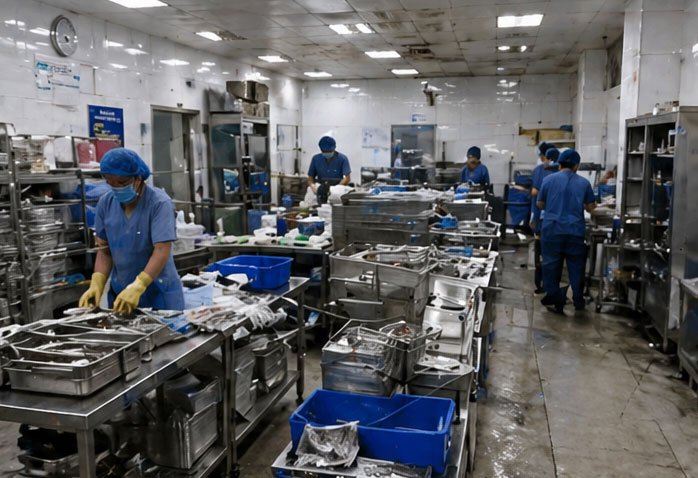
Many hospitals still operate outdated sterilization rooms that were designed years ago for smaller workloads. What worked earlier may now create daily problems.
Common Signs Your Existing CSSD Needs Upgradation:
✔ Operation theatres waiting for instrument sets
✔ Staff struggling with cluttered manual workflows
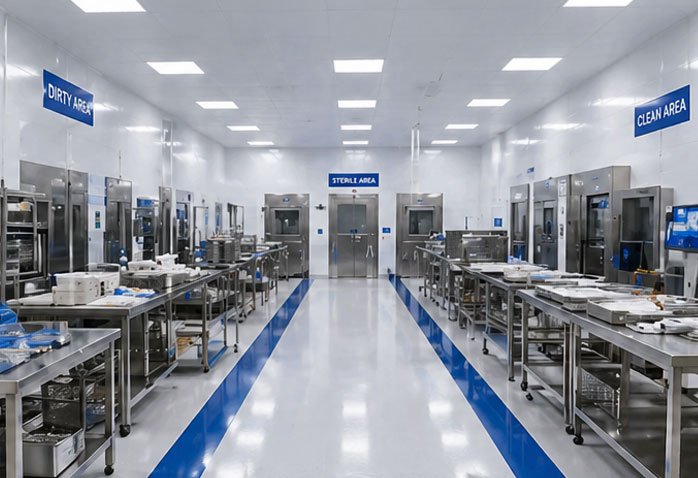
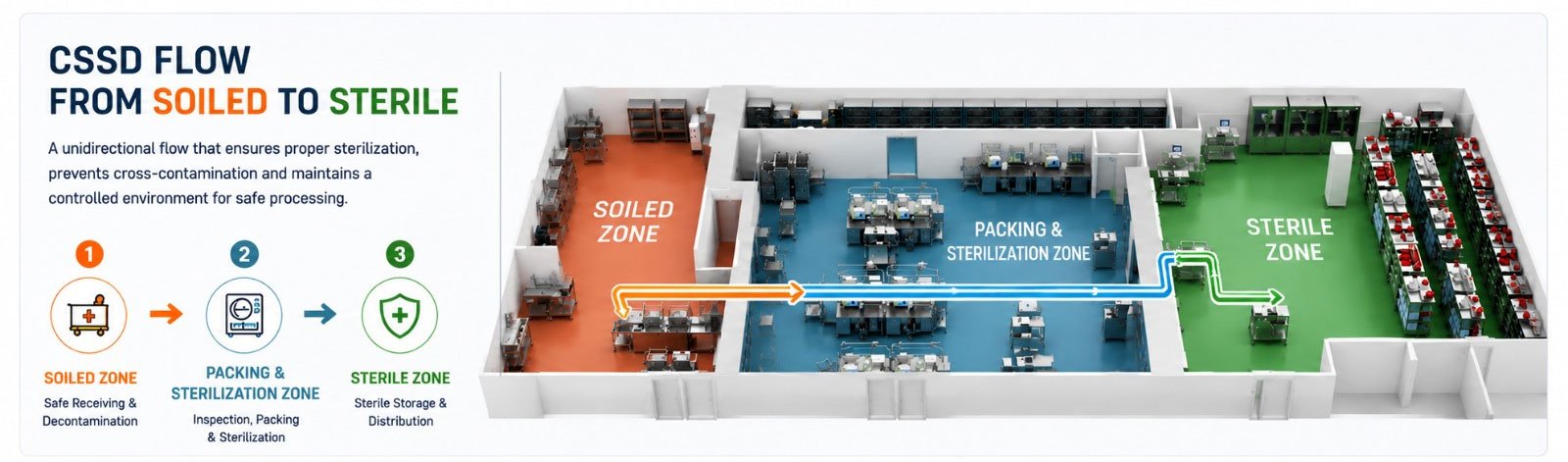
✔ Poor separation between dirty and clean zones
✔ Repeated delays during peak surgery schedules
✔ Lack of proper sterile storage systems
✔ Difficulty during NABH or internal audits
✔ Excessive manual movement causing fatigue
✔ Equipment that no longer matches patient load growth
These issues often remain hidden until they start affecting theatre schedules, manpower efficiency, and management confidence.
A professionally designed CSSD solves these challenges at the system level—not just by adding another machine.
What is CSSD and Why Does It Matter So Much?
CSSD stands for Central Sterile Supply Department. It is the dedicated hospital department responsible for receiving used instruments, cleaning them, disinfecting them, packing them, sterilizing them, storing them safely, and redistributing them back to departments in ready-to-use condition.
If surgeries need instruments, CSSD keeps the hospital ready.
✔ Operation theatres
✔ Labour rooms
✔ ICU & emergency areas
✔ Wards & procedure rooms
✔ Dental departments
✔ Endoscopy units
✔ Specialty surgical departments
When CSSD is efficient, the hospital functions more smoothly.
When CSSD struggles, delays ripple across departments.